

How UK Consumers Can Escape Mounting Credit Card Debt in 2026: DMPs, IVAs, and Debt Relief Options Compared
How UK Consumers Can Escape Mounting Credit Card Debt in 2026: DMPs, IVAs, and Debt Relief Options Compared
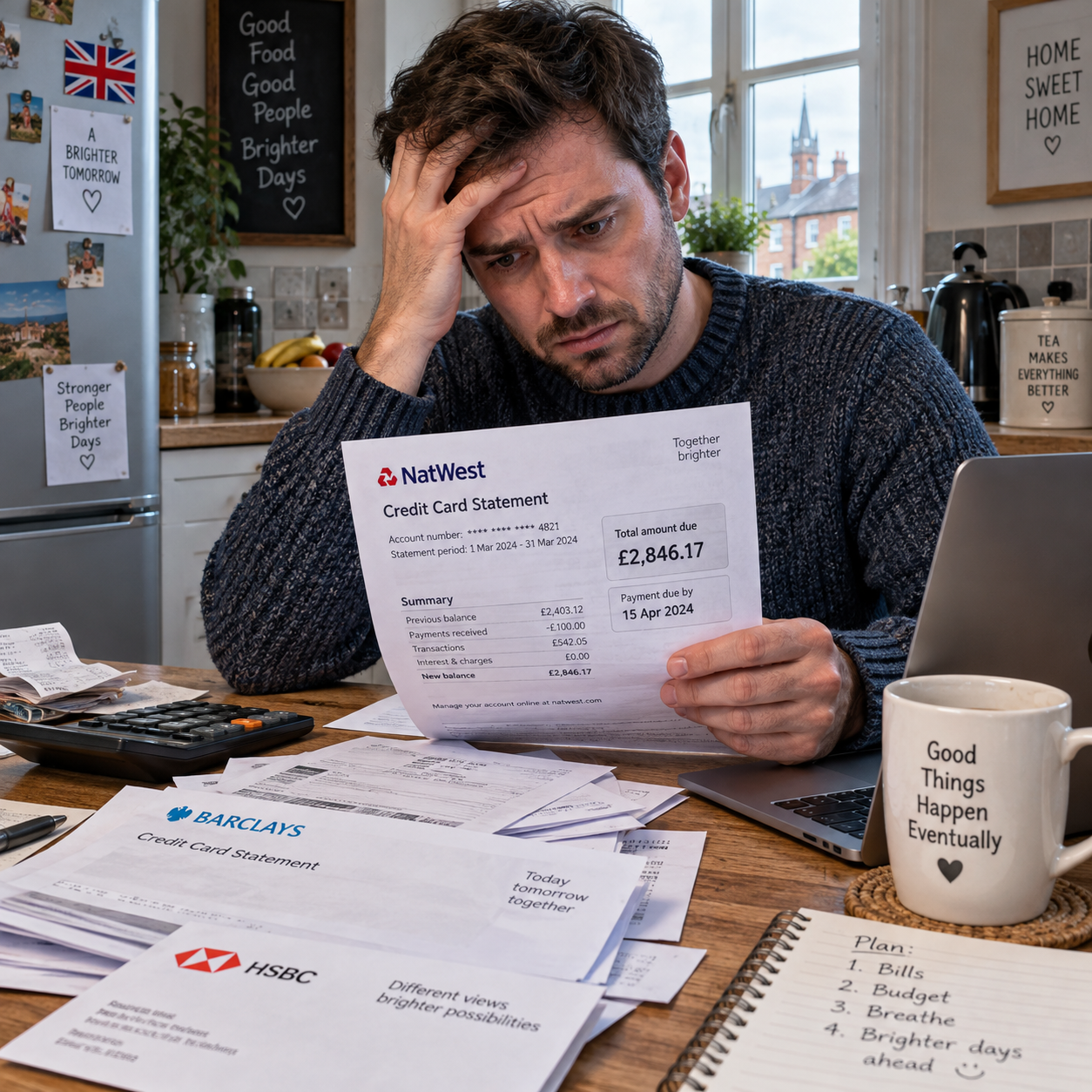
I've spent a lot of time lately talking to friends, readers, and even a few relatives about the state of household finances heading into 2026, and one theme keeps coming up: credit card debt just won't budge. Between elevated interest rates, stubborn grocery bills, and energy costs that never seem to fully calm down, more UK consumers than ever are carrying balances they can't clear with a simple minimum payment. If you're in that boat, you're not alone, and more importantly, you have options that didn't exist in quite the same form even a decade ago.
What's changed in 2026 isn't just the size of the debt problem, it's the sheer volume of solutions being marketed at struggling borrowers. Debt Management Plans, Individual Voluntary Arrangements, and a growing wave of debt relief programmes all promise a way out, but they work very differently and suit very different situations. Understanding those differences before you sign anything is, frankly, the most important financial decision you'll make this year if you're carrying significant credit card debt.
Understanding Your Debt Relief Options: DMPs, IVAs, and More
Before diving into comparisons, it helps to get a clear picture of what's actually on the table. Broadly speaking, UK consumers dealing with unsecured debt like credit cards have three main routes: informal debt management, formal insolvency arrangements, and third-party debt relief or settlement programmes. Each has its own rules, costs, and consequences for your credit file and future borrowing.
What Is a Debt Management Plan (DMP)?
A Debt Management Plan is an informal, non-binding agreement between you and your creditors, usually arranged through a free charity like StepChange or a fee-charging provider like PayPlan. Essentially, all your unsecured debts get bundled into one affordable monthly payment, which the DMP provider then distributes to your creditors on your terms. Because it's informal, creditors aren't legally obligated to accept reduced payments, though in practice most do cooperate once they see a structured plan in place.
The trade-off is time and your credit file. DMPs typically take longer to clear debt since they rarely involve write-offs, and missed or reduced payments will show up on your credit report for six years. Still, for many people with manageable debt levels, a DMP offers breathing room without the formality (or stigma) of insolvency.
What Is an Individual Voluntary Arrangement (IVA)?
An IVA is a different animal entirely. It's a legally binding agreement supervised by a licensed Insolvency Practitioner, typically lasting five to six years, during which you make affordable monthly payments toward your debt. At the end of the term, any remaining balance is usually written off entirely. This can mean substantial debt forgiveness, sometimes tens of thousands of pounds, but it comes with serious credit consequences and is recorded on the public Insolvency Register.
Because IVAs are legally enforceable, creditors can't harass you with separate collection attempts once it's approved, which is a huge relief for people juggling multiple credit card debts from different lenders.
DMP vs IVA vs Debt Relief Companies — Key Differences
Here's where it gets practical. If your total credit card debt is under roughly £5,000, a DMP or even self-managed budgeting with charity support is often sufficient. Between £5,000 and £15,000, the picture becomes more nuanced, and above £15,000 with multiple creditors, an IVA frequently makes more financial sense because of its write-off potential.
- Legal status: DMPs are informal; IVAs are legally binding insolvency solutions; debt relief programmes vary widely depending on the provider and structure.
- Credit impact: Both DMPs and IVAs affect your credit file for years, though IVAs carry heavier long-term consequences due to public record listing.
- Debt write-off: DMPs rarely write off debt; IVAs commonly do; debt relief companies sometimes negotiate settlements, though results vary enormously.
- Costs: Charity-run DMPs are free; IVAs involve Insolvency Practitioner fees built into repayments; some debt relief firms charge upfront or ongoing fees that need scrutiny.
Is Debt Relief a Good Option for Your Financial Situation?
This is the question I get asked most often, and honestly, the answer depends entirely on your circumstances. Debt relief programmes—which often involve negotiating settlements with creditors for less than owed—tend to work best for people with multiple unsecured debts, no realistic ability to meet minimum payments, and a genuine need for a structured, third-party-managed repayment path. If that sounds like you, it can be a legitimate lifeline.
That said, not everyone benefits equally. If your debt is relatively modest, or if you value protecting your credit score more than speed of resolution, a DMP might serve you better. If you have significant debt across many creditors and want guaranteed legal protection plus eventual write-off, an IVA could be the stronger choice. Before committing to any paid provider, I'd strongly recommend researching is debt relief a good option for your specific situation, since that resource breaks down real provider reviews and the genuine risks involved in 2026's debt relief market.
Red Flags and Risks to Watch For
Unfortunately, the debt relief space attracts its share of dodgy operators. Watch out for firms demanding large upfront fees before doing any work, companies that aren't FCA-authorised, and anyone promising guaranteed debt elimination without assessing your actual finances. If it sounds too good to be true, it usually is. Always verify a firm's FCA registration through the official register before handing over any personal or financial details.
How to Choose the Right Debt Solution for You
Start by getting a genuinely honest picture of your finances: total debt owed, monthly income, essential expenditure, and how much realistically remains for repayments. From there, decide what matters most to you long-term—protecting your credit score, minimising total repayment time, or securing legal protection from creditor action. Crucially, speak with a free UK debt charity like StepChange, National Debtline, or Citizens Advice before signing up with any paid provider. They can assess your situation impartially and won't charge you a penny.
Questions to Ask Before Signing Up
- Is this firm authorised and regulated by the FCA?
- What fees will I pay, and when are they charged?
- How will this affect my credit file and for how long?
- Can I cancel the arrangement, and what happens if I do?
- Will creditors still be able to contact me directly during this plan?
Common Mistakes to Avoid When Tackling Credit Card Debt
I've seen people make the same avoidable errors again and again. Ignoring letters from creditors doesn't make debt disappear, it just accelerates the risk of default or legal action. Taking on new credit while already in a DMP or IVA can breach your agreement entirely. Choosing an unregulated company because they promised a 'quick fix' often leads to wasted fees and no real progress. And perhaps the biggest mistake of all is waiting too long to act, letting balances snowball until options become far more limited.
Final Thoughts — Taking Control of Your Debt in 2026
DMPs, IVAs, and debt relief programmes each solve different problems for different people, and there's genuinely no one-size-fits-all answer. What matters is getting clear, honest advice early, ideally from a free regulated charity, before committing to any paid solution. The sooner you act on mounting credit card debt, the more options you'll have and the better your outcome is likely to be. 2026 doesn't have to be another year of financial stress—with the right plan in place, real recovery is absolutely within reach.