

Struggling with UK Credit Card Debt in 2026: A Step-by-Step Guide to Regaining Financial Control
Struggling with UK Credit Card Debt in 2026: A Step-by-Step Guide to Regaining Financial Control
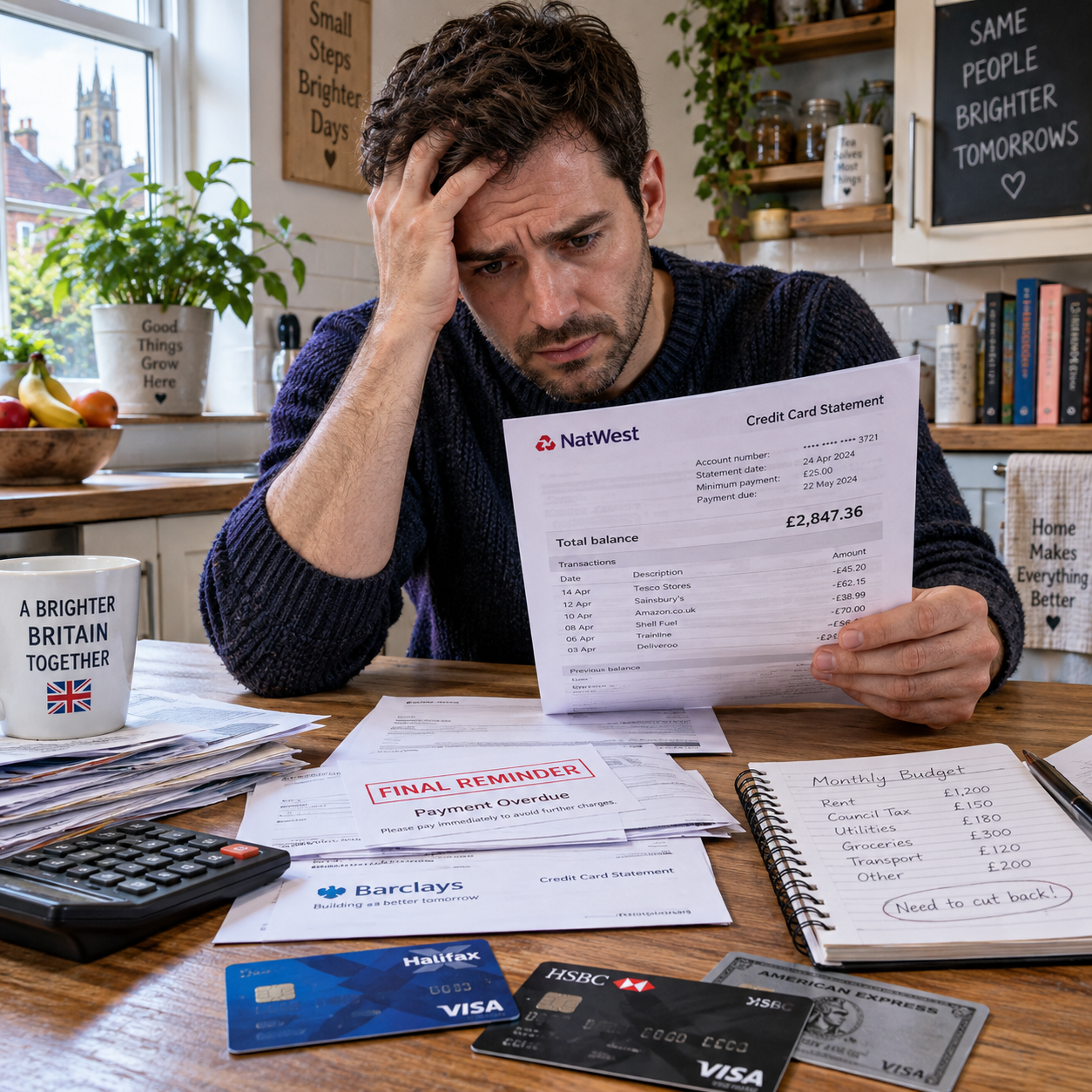
If you've been lying awake wondering how your credit card balance keeps growing even though you're 'sure' you paid something last month, you're not alone. I've spoken to so many people this year who feel like they're running on a treadmill that keeps speeding up. Between higher interest rates, grocery bills that never seem to shrink, and energy costs that still sting, 2026 has been a genuinely tough year for household finances across the UK. This guide is designed to be the practical, no-judgement roadmap I wish more people had when things started feeling overwhelming.
Understanding the UK Credit Card Debt Landscape in 2026
Credit card debt isn't a personal failing—it's often the natural result of squeezed incomes meeting rising costs. Average card balances in the UK have crept up steadily, and with base rates still elevated compared to the pre-2022 era, APRs on many cards now sit well above 25%. That means even a modest balance can generate a surprising amount of interest month after month. The goal of this article isn't to scare you; it's to give you a clear, structured way to understand where you stand and what your realistic options are.
How UK Credit Card Interest Really Works
Here's the bit that trips most people up: credit card interest compounds. When you only pay the minimum, you're often covering little more than the interest charged that month, meaning your actual balance barely moves. Providers are required to show a 'minimum payment warning' on statements for exactly this reason—it can technically take decades to clear a balance if you only ever pay the minimum. Understanding your APR (Annual Percentage Rate) is the first step to understanding why your balance feels stubborn.
Assess Your Full Financial Picture
Before you can fix anything, you need an honest snapshot of your situation. I know this step feels uncomfortable—many people avoid it because looking at the numbers feels like admitting defeat. But clarity is empowering, not punishing. Sit down (with a cup of tea, if it helps) and list your monthly income, essential expenses, and every single debt you're carrying, including store cards and buy-now-pay-later balances.
Listing All Debts and Their APRs
Pull up recent statements for every card you hold. For each one, note the balance, the APR, and the minimum payment. Once you have this laid out, order the debts from highest to lowest interest rate. This list becomes your strategic map—it's the foundation for everything in the next section.
Proven Strategies to Pay Off Credit Card Debt Faster
There are two well-known repayment methods worth considering, and picking the right one depends on your personality as much as your maths.
- The Avalanche Method: Pay minimums on all cards, then throw extra money at the highest-APR card first. This saves the most money in interest over time.
- The Snowball Method: Pay off the smallest balance first, regardless of interest rate, to build momentum and motivation through quick wins.
Both work—the 'best' one is whichever you'll actually stick with. Some people also negotiate directly with providers for a temporarily reduced rate, which can be worth a phone call if you have a decent payment history.
Using 0% Balance Transfer Cards Wisely
Balance transfer cards remain a genuinely useful UK-specific tool, with some offering 0% interest for 18-24 months. However, they come with conditions: most charge a transfer fee (typically 2-3% of the balance), and if you don't clear the debt before the promotional period ends, the remaining balance can suddenly attract a much higher rate. Set a calendar reminder well before the deadline, and only apply if your credit score is strong enough to qualify for the best deals.
What to Do If You Can't Afford Minimum Payments
This is the section that matters most if you're reading this at 2am feeling panicked. First: missing a payment doesn't mean you've failed—it means your plan needs adjusting, urgently. Warning signs that you're heading toward trouble include using one card to pay another, receiving default notices, or noticing your credit score dropping.
The single most important thing you can do is contact your provider before you miss a payment, not after. UK lenders, under FCA guidance, are required to treat customers in financial difficulty fairly, which often means more flexibility than people expect. If you're at the point where minimum payments genuinely feel impossible, it's worth reading this detailed breakdown of what to do if you can't afford minimum payments, which walks through structured next steps for regaining control before things escalate further.
Contacting Your Card Provider Before You Default
Most major UK card providers offer some combination of payment holidays, temporarily reduced payments, or interest freezes for customers experiencing hardship. Call them directly, explain your situation honestly, and ask specifically what forbearance options are available. This single conversation can prevent months of stress and protect your credit file from more serious damage.
Free Debt Help and Support in the UK
You don't have to navigate this alone, and you definitely don't need to pay for help. Organisations like StepChange, National Debtline, and Citizens Advice offer completely free, confidential debt advice and can even negotiate directly with creditors on your behalf. These services see thousands of cases like yours every year—there's no situation that will shock them.
Understanding IVAs and DMPs
For more serious debt levels, formal solutions like Debt Management Plans (DMPs) or Individual Voluntary Arrangements (IVAs) might be appropriate. A DMP consolidates payments into one affordable monthly amount negotiated with creditors, while an IVA is a legally binding agreement that can write off a portion of debt after a set period. Both affect your credit file significantly, so they're worth discussing with a free advisor before committing.
Common Mistakes That Keep People in Debt Longer
A few patterns I see again and again: ignoring letters from creditors (they don't go away, and ignoring them removes your options), taking out new credit to cover old debt (this almost always deepens the hole), and paying only minimums indefinitely without a clear exit plan. The mindset shift that helps most is treating debt repayment as an active project with milestones, not a passive monthly chore.
Building Long-Term Financial Resilience
Once you're on top of your current debt, the real work is preventing it from happening again. Building even a small emergency fund—£500 to start—can stop future unexpected costs from landing back on a credit card. Budgeting apps can help you track spending patterns you might not even notice otherwise, and checking your credit report every few months keeps you aware of your financial health before small issues become big ones.
Regaining control of credit card debt in 2026 isn't about perfection—it's about consistent, honest steps forward. Whatever stage you're at right now, the fact that you're reading this means you're already moving in the right direction. Take the next step today, even if it's just making one phone call.